
Materials & finishes
How each material wears, and how to look after it
Browse the finish references
Start with the material and see what comes in it.
Explore color and texture references from the current collection. Open a reference to see the products that list it.
Compare two color and texture references
Put two original swatch images side by side. Use the product links to check where each reference is offered. Similar names do not mean identical materials or matching dye lots.
Screen colors and textures are approximate. Confirm each finish and any physical sample arrangements before ordering.
References that use the same image under different finish names are omitted from this comparison. Confirm those finishes with us before choosing a color.
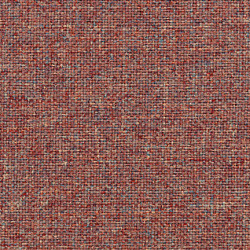
Selected reference
3-interweave quartz
Listed on 4 products in this collection. Choose the matching finish on the product page. Other options can affect its availability and price. Product photos show example configurations.
Screen color and texture are references. Confirm the material and any physical sample arrangements before ordering.
Back to fabric →Products with this reference
Open a product to choose its options and quantity.


References are grouped by their option labels. A similar color name does not establish that two products use the same material. Choose and confirm each product configuration separately.
Material care, samples & ordering guide
By August a patio has told you what everything is made of. Some chairs rinse clean. Some chalk in the sun. A few leave a rust ring on the bricks. Here is how each material we sell behaves, where it belongs and which small habits keep it looking right. Whatever a piece is made of, it belongs outside only if it is listed for patio use.
Aluminum
Aluminum is the easy one. It does not rust the way steel does, it weighs little, and a server can carry a stack of aluminum chairs in one trip. Finishes come as powder coat, brushed metal or a printed wood grain. Wipe with mild soap and water.
The low weight cuts both ways. Wind finds the lightest chair first, so on a rooftop or an open corner lot, think about weight and stack height before color. Salt air and standing water can still pit or dull bare aluminum, so rinse it and let it drain.
Steel and powder coat
Steel is stiff and strong, and its weak spot is the finish. Powder coat is a dry powder baked onto the metal until it becomes a hard skin, tougher than ordinary paint and sold in solid, textured, metallic and wood-grain looks. Once a chip breaks that skin, water reaches bare steel and rust starts underneath.
So check the places that take knocks: leg tips, footrests, stretchers, the underside of the seat. Dab touch-up paint on a chip the day you find it. Mild detergent and a soft cloth do the cleaning; a scouring pad undoes the finish. Coated steel listed for patio use can live outside, but it still wants a look on opening day and again at closing.
Chrome
Chrome is a thin, bright plating over steel, at home in a diner or a retro bar, indoors only. Wipe it with a damp cloth and dry it straight away. Salt, chlorine and abrasive cleaners pit chrome, which is one more reason to keep it off the patio.
Resin, synthetic teak and poly
Resin furniture is molded plastic: light, stackable and easy to hose down. Synthetic teak is plastic slats with a teak grain, and it never needs oil or stain. Poly lumber is thick plastic boards, heavy in the hand and never painted. All three suit a patio when the product is listed for it, and all three clean up with soap, water and a hose. Sun can dull color over the seasons, so a rinse after a dusty week and a shady spot at closing time help. Start with resin patio chairs or poly outdoor furniture.
Wood frames and stain
A wood chair carries its load in the joints, so tighten what has worked loose when you do the monthly round. Keep wood indoors and away from standing water: end grain drinks moisture, and joints work loose each time the wood swells and shrinks.
The finish is two jobs. Stain sets the color. A clear topcoat guards against moisture and cleaners. Stain names change from one line to the next, so match by swatch rather than by name, and request a sample when two pieces must sit side by side. When a finish wears thin, sand it lightly and recoat. Mild soap and water are safe, and the warranty does not stretch to a cleaner that was wrong for the finish.
Vinyl and fabric seats
Vinyl is the working default in a restaurant. It wipes clean, shrugs off spills and comes in many colors. Use mild soap and water, dry it, and keep bleach, solvents and alcohol away.
Fabric brings texture and a softer sound to a room, and it asks for more care. Read its cleaning code before the first spill. The code tells you what to use: W is water-based cleaners, S is solvent-based only, W/S is either, and X is a vacuum or a brush with nothing wet. An upholstered indoor chair left outside will fade, so keep fabric under a roof that stays dry. The foam underneath is the part you cannot see, and a firm cushion holds its shape longer than a soft one that flattens in a season of daily use.
Laminate
Laminate is a hard decorative skin bonded to a wood-composite core. It cleans easily and holds a pattern well, and it does not like standing water or direct heat: a hot pan scorches it, and a wet edge lets the core swell. The edge decides how a top ages. A soft edge band takes knocks, while a bare self edge shows chips sooner. Treat laminate table tops as indoor pieces unless the listing shows patio use.
Solid wood
Wood never stops moving. It swells in a damp month and shrinks in a dry one, so fine cracks along the grain, small gaps at seams and a slight cup are ordinary behavior, and the warranty treats them that way. Keep a wood top away from heat vents and from a window that bakes it every afternoon. When a splash stops beading up, it is time to reseal.
Stone
Stone is dense and heavy, and it tolerates heat better than laminate does, so pair it with a base built to carry the weight. Natural stone drinks stains unless it is sealed. Reseal it from time to time: when a drop of water soaks in instead of beading, the time has come. See granite table tops.
Glides and feet
The cheapest part of a chair is the one that touches the ground. Glides of plastic or nylon are kind to most hard floors, and metal ones can mark them. On brick, cobblestone or deck boards, a worn glide scrapes, catches in a gap and makes a table rock. Look at them every month, and keep a handful of replacements in the office so a bad one never waits for a reorder.
A care rhythm
Most furniture care is a habit, not a project:
- After every service: wipe tabletops and seats with mild soap and water, and dry vinyl and chrome
- Each week: rock every table and adjust the glide that runs short
- Each month: look over every frame for chips, every fastener for play, every glide for wear
- Closing day of the season: rinse, let the water drain, then cover or store
- Opening day: look for rust, chalking and loose joints before the first guests sit down
Not sure how a finish will read in your light? Request a free sample and carry it out to the patio at 4 PM. Pieces listed for outdoor use live in the outdoor furniture category.